

Container houses are commonly used in the following situations:
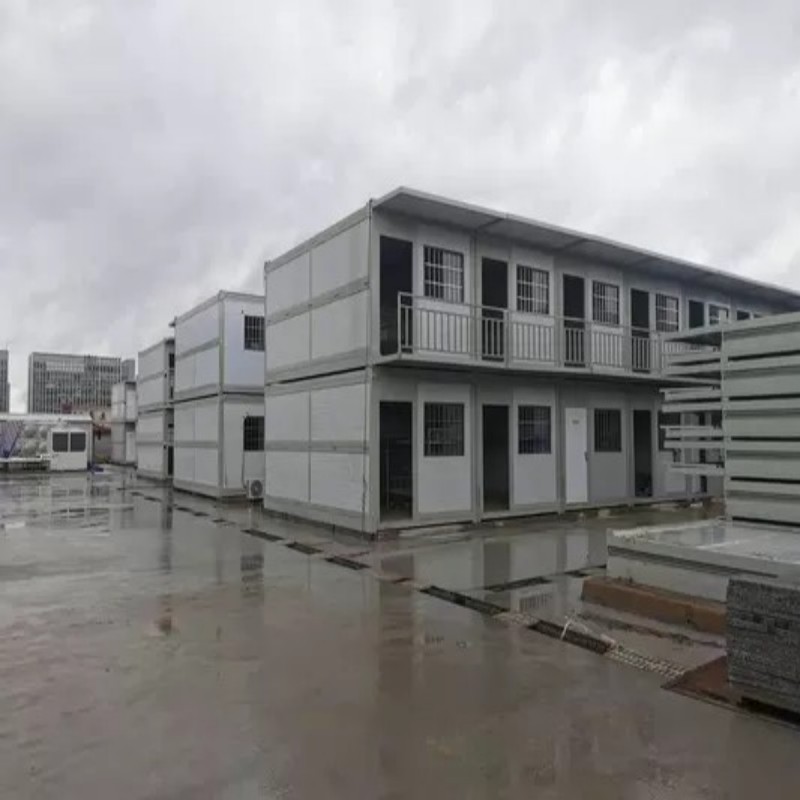
1. Temporary shelter and office:
Container houses are often used in situations where temporary shelter or office is needed, such as construction sites, field work bases, etc.
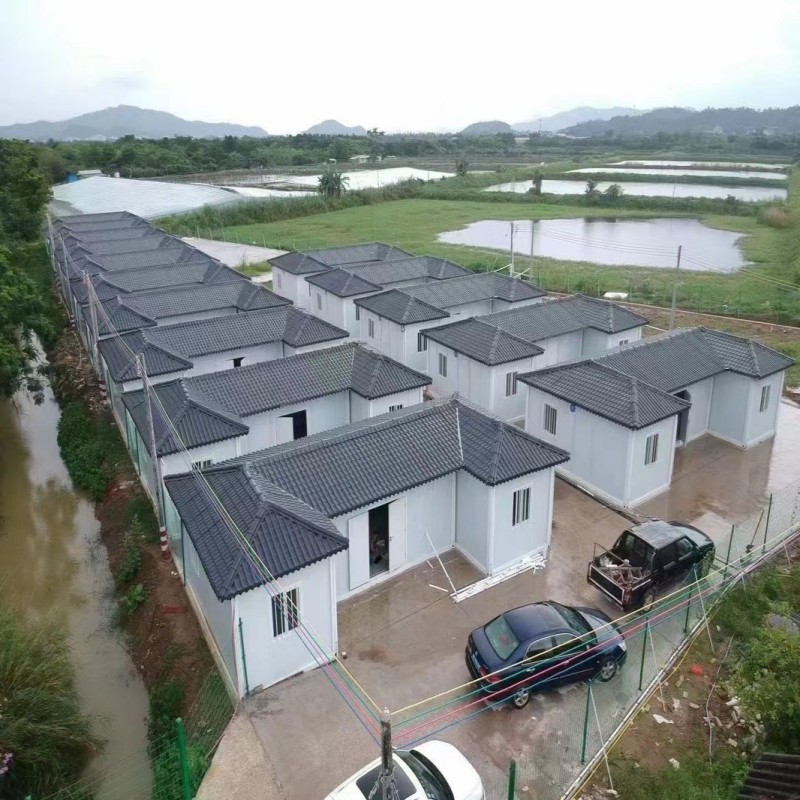
2. Emergency relief and post-disaster reconstruction:
Container houses can provide temporary shelter and office space to help victims and relief workers during the post-disaster reconstruction process.

3. Events and exhibitions:
Container houses are also commonly used in various exhibitions, markets and cultural events, as display Spaces or temporary shops.
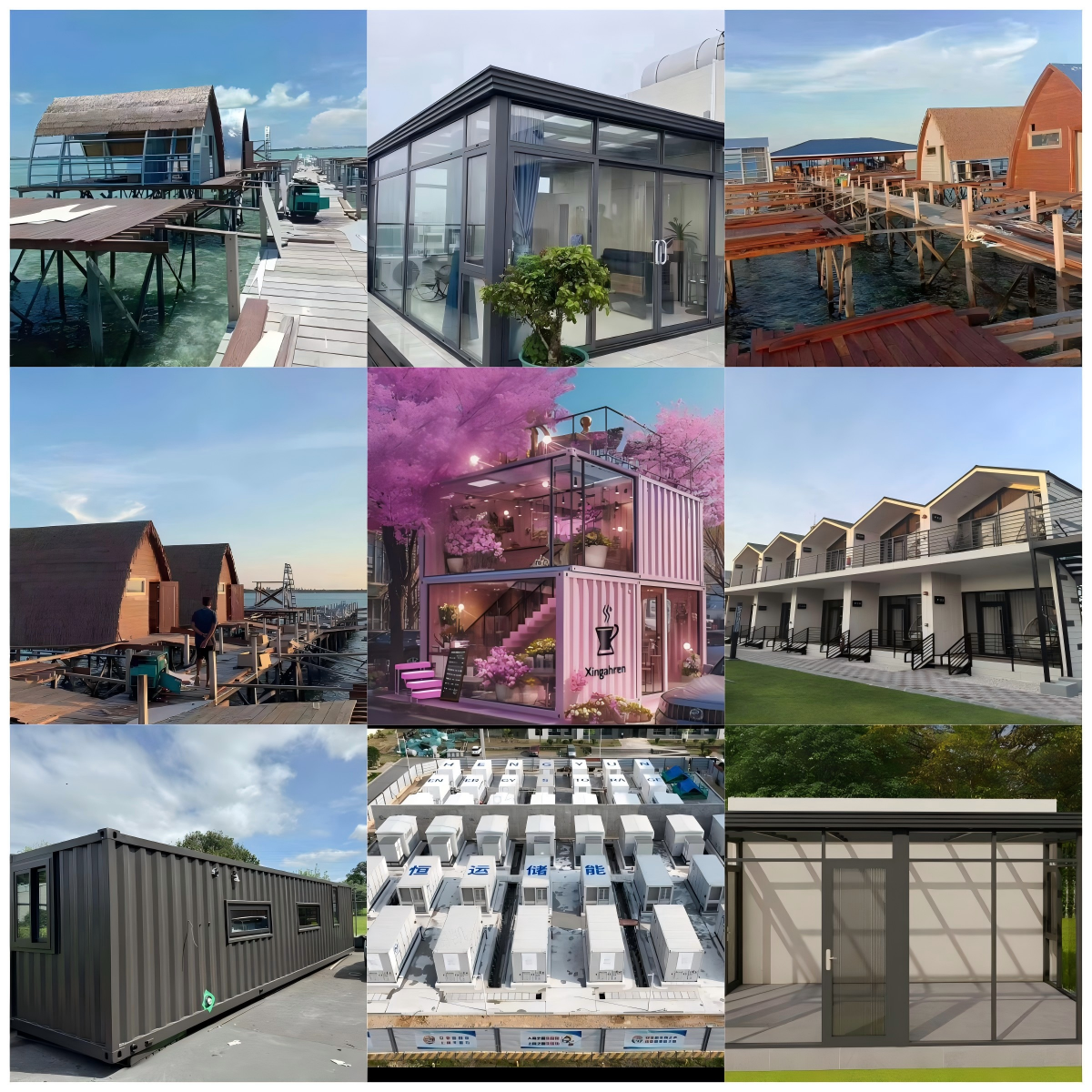
4. Travel and vacation:
In some tourist destinations, container houses are designed as specialty hotels or holiday homes, providing a unique stay experience.
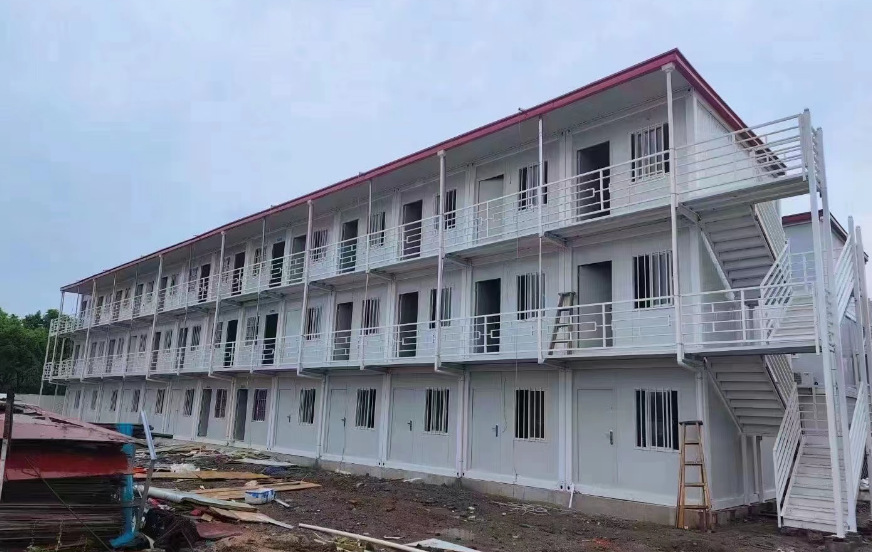
5. Schools and education:
Schools and classrooms built with container houses are widely used in some developing countries and areas of tension to solve the problem of inadequate educational resources.
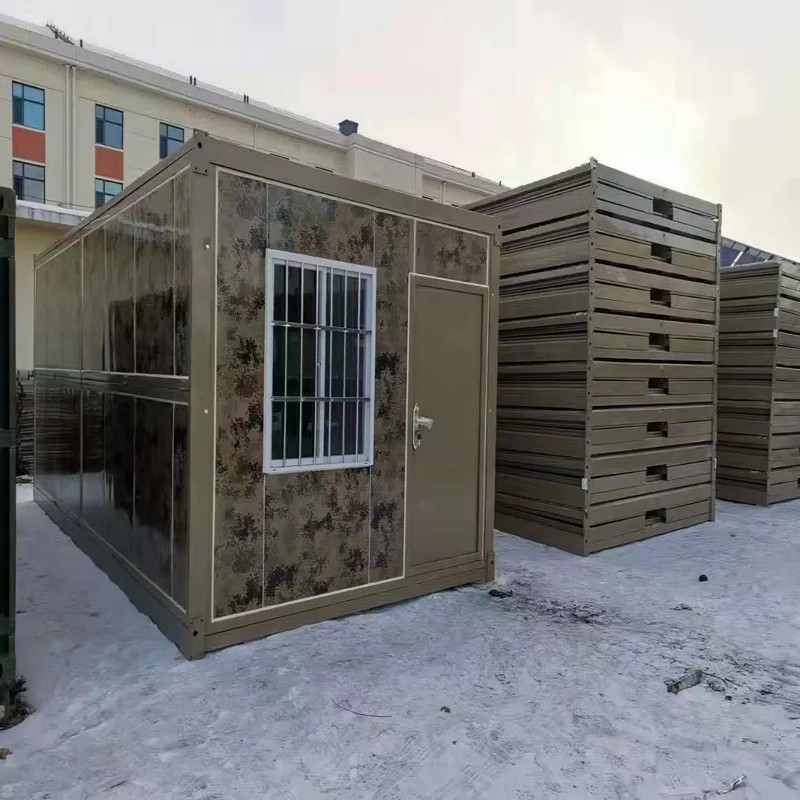
6. Military and field bases:
Military and field teams often use container houses as temporary housing and command centers.
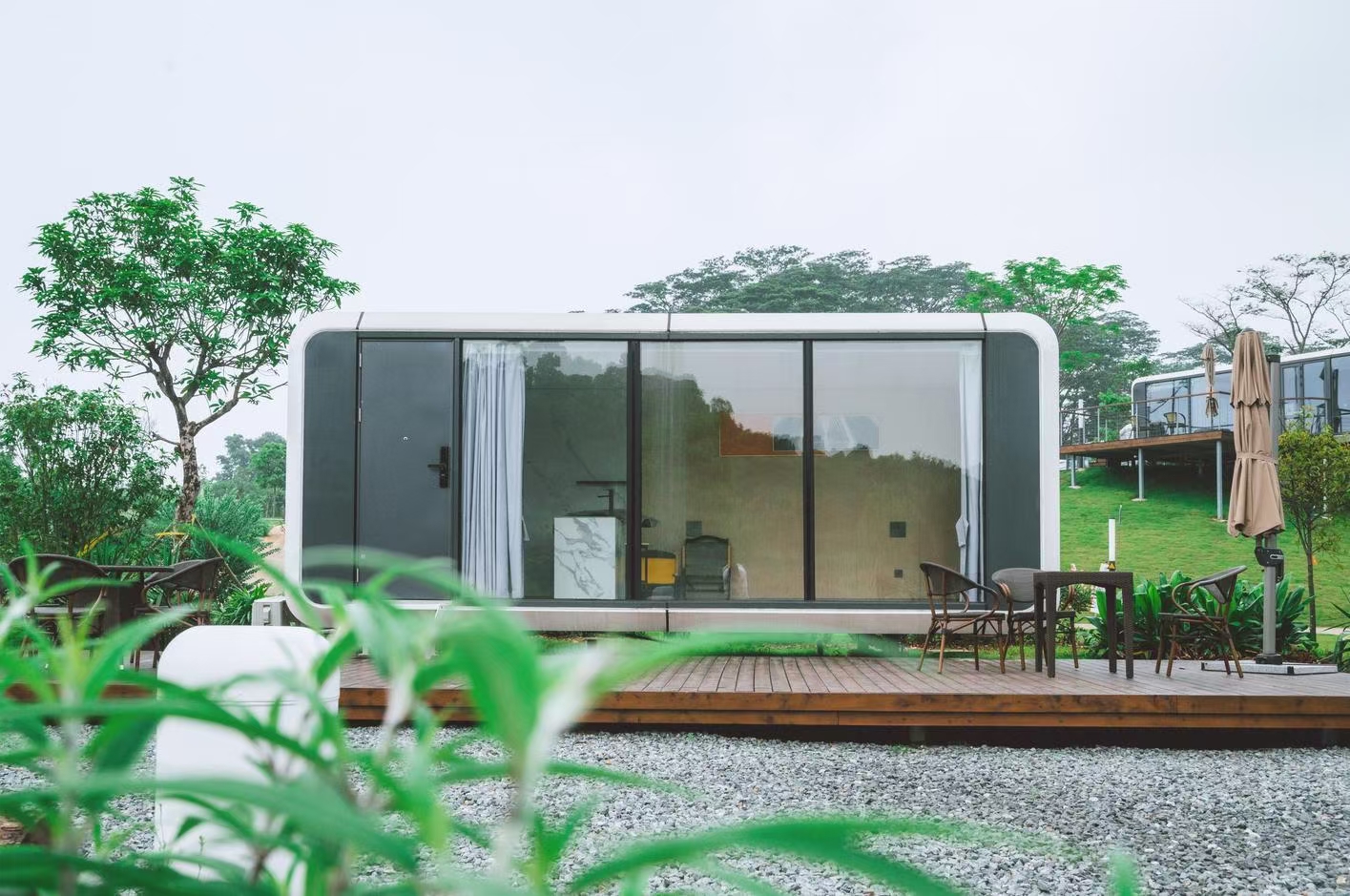
7. Art and creativity:
In some art projects, container houses are used as creative Spaces and exhibition venues to display art works and cultural projects.
There are several key factors to consider when choosing the right container home:
1.Use and demand:
First of all, it is necessary to clarify the specific purpose of the container house, is it used as a residence, office, shop or other purposes? Different uses will affect the design and configuration needs of container houses.
2.Size and space:
Container houses come in different size options, such as standard 20-foot and 40-foot containers. Choose the right size according to the required space size and layout.
3.Quality and structure:
Ensure that the quality of the container house is up to standard, especially to check whether the structure of the container is strong, waterproof performance and insulation performance is good.
4.Custom options:
Some vendors offer custom container houses that can be designed and fitted to specific needs, including interior finishes, electrical equipment and amenities.
5.Supplier reputation and service:
Choose a reputable supplier and learn about its service and quality through customer reviews, case studies and company background.
6.Laws and regulations:
Ensure that the selected container house complies with local building codes and regulations, including safety standards and environmental requirements.
7.Transport and installation:
Considering the transport and installation of containers, especially if they need to be assembled or dismantled at a specific location, it is necessary to ensure that the supplier can provide the relevant service and support.
8.Cost and budget:
Finally, choose the right container house based on budget and financial ability, while taking into account long-term maintenance and operating costs.